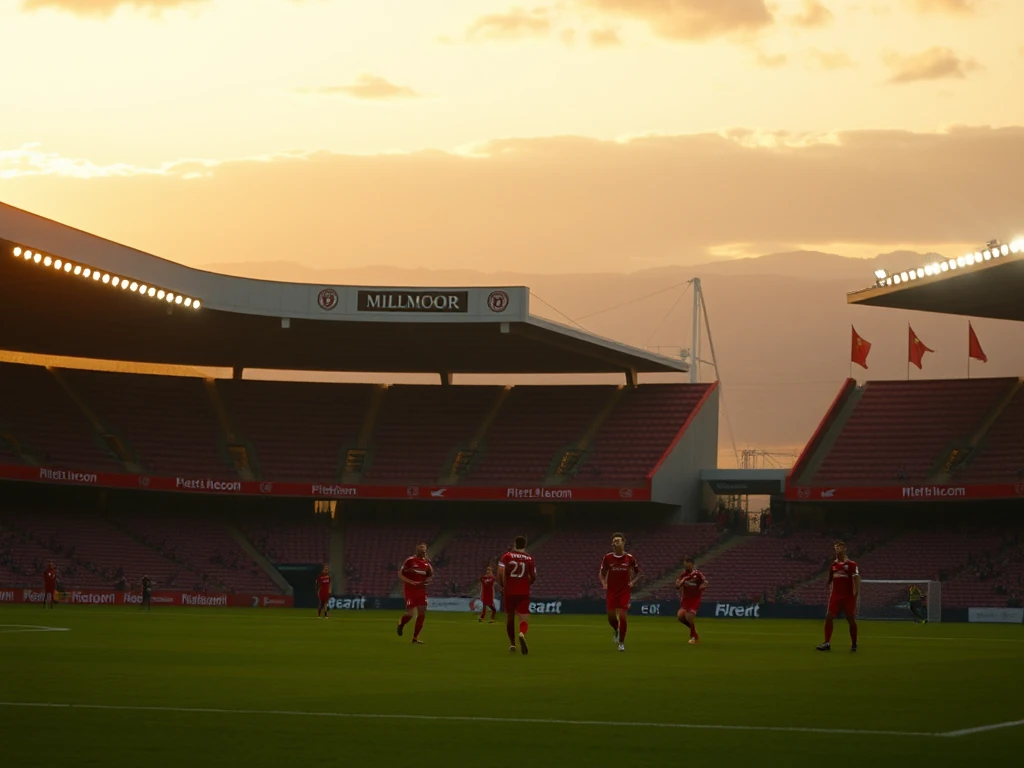
The recent announcement regarding the demolition of Millmoor, the former home of Rotherham United, marks a poignant moment in the club's history. Owned by the Ron Hull Group, plans are set to proceed due to the stadium’s disrepair and the absence of a viable user over the long term. This decision not only highlights the challenges faced by aging football venues but also raises questions about Rotherham United's connection to its historical roots.
A Brief History of Millmoor
Millmoor has been a staple in Rotherham's football narrative since its opening in 1907. Over the years, it witnessed countless memorable matches, including Rotherham's playoff battles and FA Cup runs. As the home ground for The Millers, it became a second home for fans who celebrated their club's successes and endured its struggles within the confines of the stadium.
However, the venue faced numerous challenges in recent years. With the club's relocation to the New York Stadium in 2012, Millmoor fell into disrepair. The lack of a professional team or regular events to maintain its vibrancy has hastened its decline, culminating in the Ron Hull Group’s announcement to demolish parts of the structure.
Implications of the Demolition
The demolition of Millmoor is not only about tearing down bricks and mortar; it signifies the end of an era for many fans. The nostalgia associated with a club’s historic ground is profound, and losing Millmoor means losing a significant part of Rotherham's footballing identity. For decades, fans have gathered in its stands, sharing in the collective experience of triumph and despair.
With parts of Millmoor set to be demolished, the implications for the local community and the club itself are considerable. It raises questions about the future of football in Rotherham. Will the community lose its connection to the club's storied past, or is there an opportunity for new development that could benefit both football and the town?
As Rotherham United continues to compete in the EFL Championship, the focus shifts from its historic ground to its current home at the New York Stadium. The club has made significant strides since its relocation, establishing a modern venue that has hosted numerous memorable events. However, the decision to demolish Millmoor might prompt discussions on how the club can honour its history while moving forward.
Local businesses and fans alike may feel the impact of this decision. The club has a responsibility to bridge the gap between its past and present, ensuring that the spirit of Millmoor is not completely forgotten. Community engagement initiatives could be key in helping fans connect with the club's journey, both past and future.
Fan Reaction and Community Impact
The news of Millmoor’s impending demolition has stirred a mixture of emotions among fans. Some are understandably saddened by the loss of a historical landmark, while others see it as an opportunity for renewal. Rotherham United’s supporters are known for their passionate commitment, and many have taken to social media to express their thoughts.
- Sentiments from fans include:
- Sadness over the loss of cherished memories.
- Hope for future developments that could enhance the community.
- A desire for the club to maintain its historical narrative in new ways.
This emotional connection to Millmoor highlights how deeply intertwined the stadium is with the identity of Rotherham United. The club must handle this delicate situation thoughtfully, ensuring that fans feel included in the dialogue about the future.
The Wider Picture: Football Grounds in Decline
The fate of Millmoor isn’t an isolated case. Across the country, numerous football grounds face similar challenges as clubs evolve, relocate, or downsize. Millmoor’s decline parallels those of other historic venues, such as Bramall Lane and Bootham Crescent, which have seen their own transformations and challenges.
Critics will argue that the trend of demolishing older stadiums in favour of modern facilities detracts from the unique character of football culture. They point out that while modern stadiums may offer better amenities, they often lack the charm and history of their predecessors. The flip side is that newer facilities can provide enhanced experiences for fans, including better seating and improved accessibility.
What This Means for Rotherham
For Rotherham United, the demolition of Millmoor poses both challenges and opportunities. Fans have a strong emotional connection to their club’s history, and losing Millmoor can feel like losing a part of themselves. However, it also opens the door for the club to redefine itself and its relationship with the community.
As discussions about the future unfold, it’s key for the club to engage with supporters actively. This could involve community forums or initiatives that allow fans to share their ideas for how the club can honour its legacy while embracing new opportunities. Rotherham United has an opportunity to be a beacon of hope and resilience in the face of change.
What's Next
As demolition plans for Millmoor progress, the focus will inevitably shift to how Rotherham United can best handle this transition. The club must balance maintaining its rich history while embracing a future that may involve new developments and challenges. Engaging with fans and the local community will be key to ensuring that the spirit of Millmoor lives on in the hearts of its supporters, even as physical walls come down.
the story of Millmoor is far from over; it’s merely entering a new chapter in the ongoing saga of Rotherham United.