Tactical Overview of Recent Form
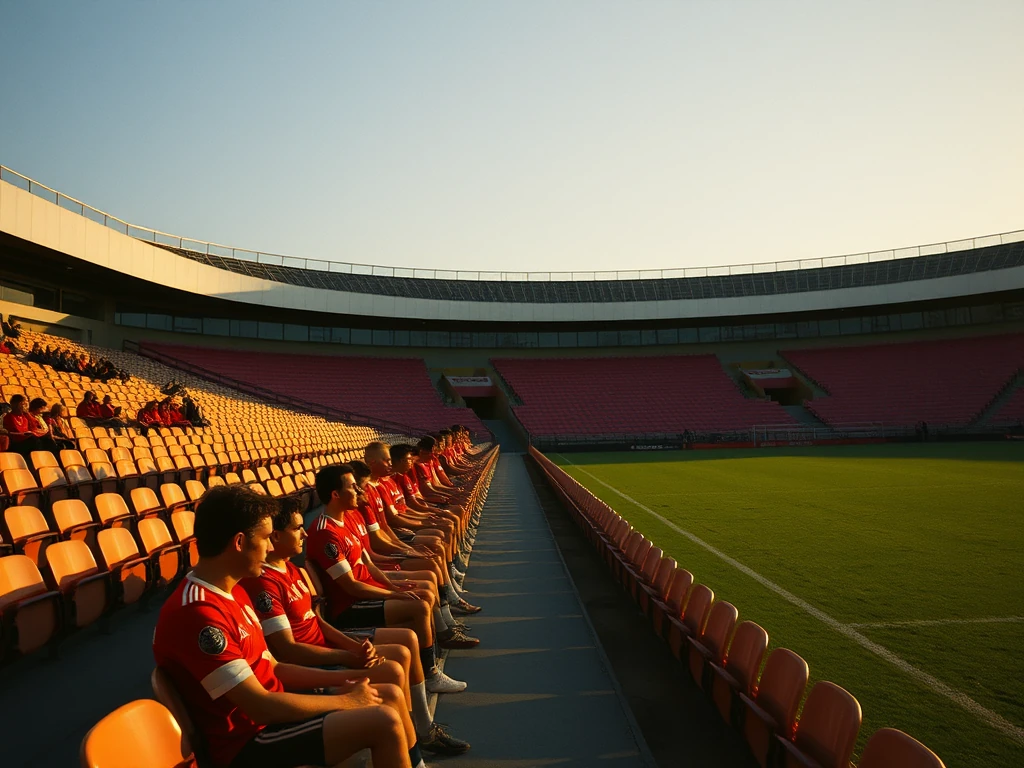
Rotherham United's recent form has been a mixed bag, with flashes of brilliance overshadowed by lapses in concentration and tactical rigidity. The Millers often adopt a 4-2-3-1 formation, allowing for flexibility in attack and stability in defense. However, as observed in recent matches, this setup has sometimes left gaps that opponents have exploited, particularly in transition phases.
Midfield Dynamics
One notable area where Rotherham can improve is in midfield dynamics. The pairing of the central midfielders has sometimes lacked cohesion, leading to a disconnect between defense and attack. Introducing a more fluid midfield setup, perhaps shifting to a 4-3-3 for certain fixtures, could provide better support for both the defensive line and the attacking players. This adjustment would allow for more pressing opportunities and enhanced ball retention, essential for controlling the tempo of the game.
Full-Back Involvement
Another tactical tweak could involve the full-backs, who have often been hesitant to overlap and provide width in attack. Encouraging them to push forward more regularly could stretch opposing defenses and create space for the wingers to exploit. This adjustment not only adds an attacking dimension but also can facilitate quick transitions back to defense if possession is lost. A more aggressive approach from the flanks could significantly enhance Rotherham’s attacking potency.
Striker Roles and Responsibilities
In recent games, the forwards have occasionally appeared isolated, lacking the necessary support from the midfield. To combat this, the Millers could benefit from a more fluid forward line, where the striker drops deeper to link play, allowing attacking midfielders to make runs beyond the defensive line. This tactical variation not only creates confusion for opposing defenders but also increases the options for goal-scoring opportunities.
Defensive Structure
Defensively, Rotherham has been prone to conceding goals from set-pieces and counter-attacks. A reassessment of the defensive organization during these situations is vital. Implementing a more zonal marking system during set-pieces could reduce the risk of being caught out, while ensuring that players retain their positions during counter-attacks can help in mitigating the risk of quick goals against.
Conclusion: Path Forward
The recent performances of Rotherham United have shown that while the team has potential, there are clear areas where tactical improvements can be made. By focusing on midfield cohesion, enhancing full-back involvement, adjusting striker roles, and reinforcing defensive structures, the Millers can build on their strengths and address weaknesses effectively. As the season progresses, these tactical tweaks could prove key in Rotherham's quest for success in the league.