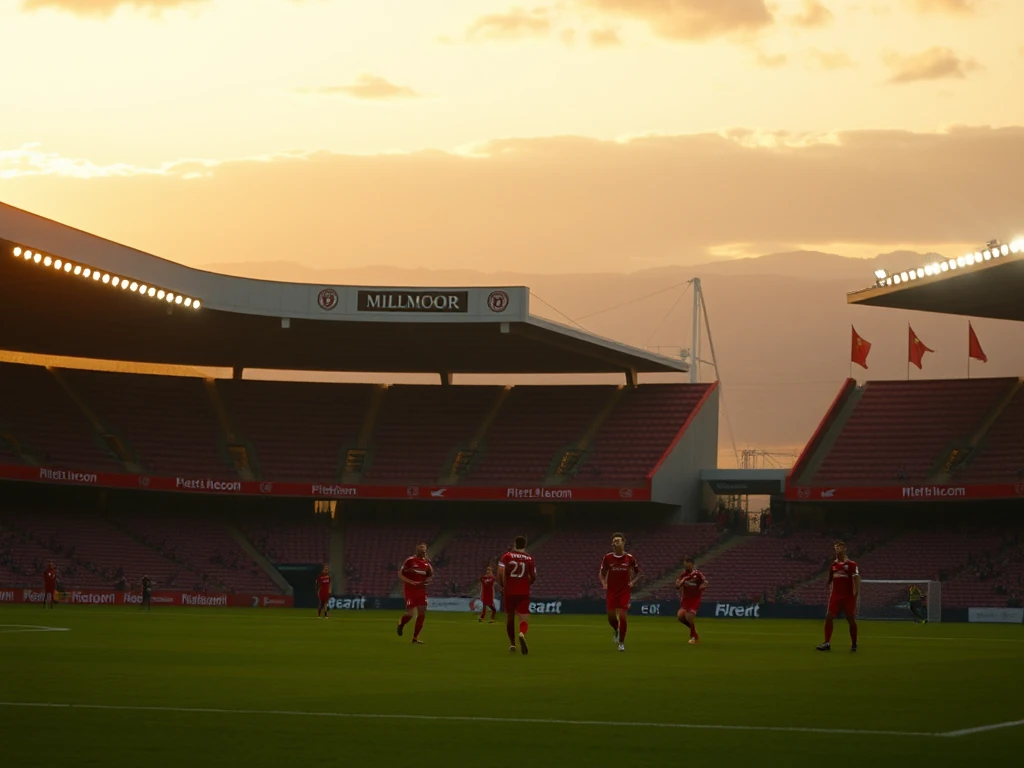

The landscape of Rotherham football is set for a significant change as preliminary plans for the demolition of the long-abandoned Millmoor Ground have been submitted to the borough council. The site, once a vibrant hub for Rotherham United, has stood vacant since 2008, a haunting reminder of the club’s troubled past. With these new proposals on the table, the future of the location draws attention from fans, local businesses, and the broader community, sparking discussions about what the future may hold.
The Historical Context of Millmoor
Millmoor, opened in 1907, has been a significant part of Rotherham’s sporting heritage. For over a century, it hosted countless memorable matches, including several FA Cup ties and League battles. The ground witnessed the rise and fall of Rotherham United, who moved to New York Stadium in 2012, leaving Millmoor behind to decay. Fans still reminisce about the electric atmosphere on match days, a stark contrast to the empty stands that now occupy the site.
The abandonment of Millmoor not only impacted the club but also the local economy, which thrived on match-day revenues. Pubs, restaurants, and shops nearby once bustled with supporters. Now, the site has become a source of blight, with its crumbling façades and overgrown terraces serving as a symbol of lost opportunities.
The Demolition Proposal
The plans submitted to the council detail the demolition process aimed at clearing the site for potential redevelopment. Local officials have acknowledged the need to address the derelict state of Millmoor, which has become a safety concern for residents. The council's proposal also highlights the potential for new community spaces or commercial ventures that could replace the old ground.
The demolition would mark the end of an era, allowing Rotherham to look towards a new chapter. Though details about what might replace Millmoor are still speculative, the council has expressed a desire for developments that benefit both the community and the local economy.
What This Means for Rotherham
For fans of Rotherham United, the demolition of Millmoor represents a bittersweet moment. Many supporters have fond memories of the ground, and its closure signifies the end of a historical chapter in the club's narrative. However, the potential redevelopment also brings hope for revitalization and improvement in the local area.
If you’ve followed Rotherham over the years, you know that change often brings mixed emotions. While some fans mourn the loss of the old ground, others see this as an opportunity for progress. Engaging with the community to gather input on future developments might bridge the gap between nostalgia and innovation.
Community Responses and Fan Reactions
The response from the Rotherham community has been varied. Some fans are enthusiastic about the prospect of new developments, especially if they could create jobs and attract visitors. Others express sadness over losing a historical landmark that has shaped their experiences as supporters.
- Positive Reactions:
- Excitement for potential new spaces.
- Hope for economic revitalization.
- Interest in community involvement in redevelopment plans.
- Negative Reactions:
- Nostalgia for the old ground.
- Concerns about loss of football culture.
- Skepticism regarding the council's plans.
The Broader Impact on Rotherham Football
The fate of Millmoor isn't just about the site itself; it reflects the shifting dynamics of football in Rotherham. With Rotherham United currently competing in the EFL Championship, the club’s move to the modern New York Stadium signifies a transition into a new era. As the club continues to rebuild and aim for stability, the redevelopment of Millmoor could play a role in enhancing the overall image of Rotherham football.
Critics point out that the council's focus on demolition might overlook the potential for restoring the ground as a community sports venue. There's a sentiment among some fans that preserving historical sites can foster a sense of identity and continuity, serving as a reminder of the club's rich legacy.
Future Prospects for Millmoor's Site
With plans for demolition now in the pipeline, attention will shift to what could eventually occupy the Millmoor site. Local stakeholders have expressed interest in developing spaces that cater to both residents and visitors alike, possibly incorporating sports facilities, parks, and commercial areas. The key will be balancing the nostalgia for the past with the needs of a modern community.
As discussions progress, the input from fans and local residents will be key. The council may benefit from hosting forums or surveys to gauge public sentiment and gather ideas for the site’s future. This community involvement could ensure that whatever comes next reflects the heart of Rotherham.
What's Next
In the coming months, the council will review the demolition plans and outline the next steps for the Millmoor site. As discussions continue, it’s essential for the community to stay engaged and voice their opinions about the redevelopment. Whether it’s through community forums, social media, or local meetings, every voice matters in shaping the future of this iconic location.
The demolition of Millmoor is not only about the removal of a building; it’s about acknowledging the past while embracing the future. For Rotherham United and its supporters, this key moment could pave the way for new opportunities, ensuring that the spirit of football continues to thrive in Rotherham.